
Key Takeaways
- Artificial tears add moisture and offer short-term comfort, but they ease symptoms rather than the root cause.
- Preservative-free drops suit you if you use drops more than 4 times a day.
- Redness relief drops may worsen redness and dryness over time.
- Prescription drops treat the underlying dry eye condition after a thorough eye exam.
- Needing drops more than 4 times a day is a good reason to book a visit.
The Right Choice Depends on Your Needs
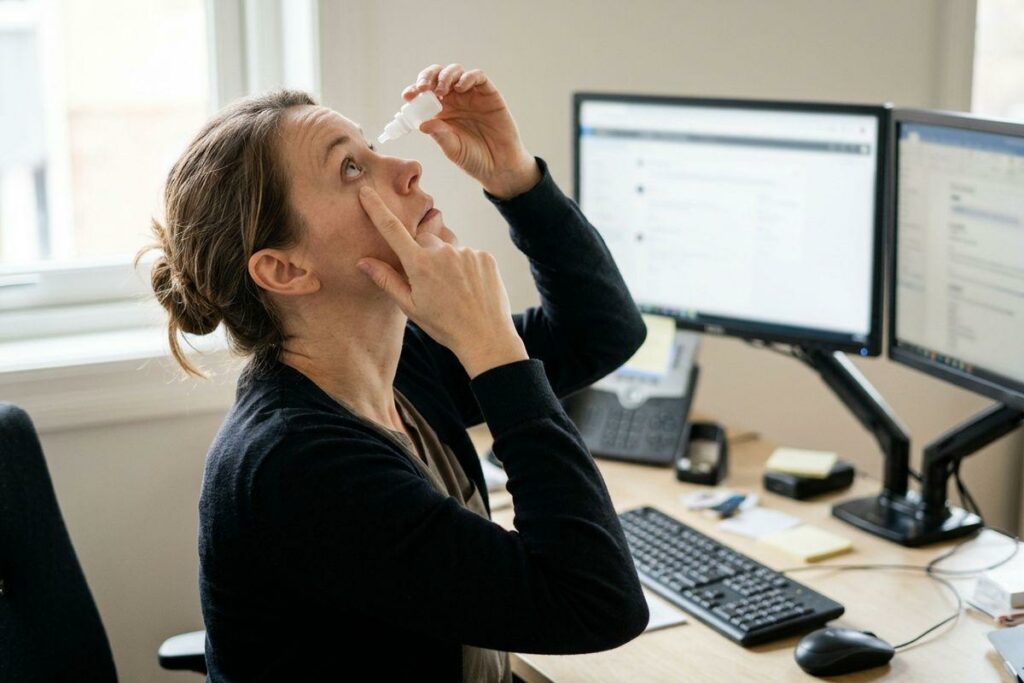
You blink, and your eyes still feel gritty. As the day goes on, the words on your screen start to swim, and you find yourself reaching for the drops in your bag again and again. Our team at Maple Ridge Eye Care hears similar stories from many of our patients, along with questions about which drops to buy.
Artificial tears offer quick, temporary relief, while prescription drops are often intended to help treat an underlying condition. The right choice depends on how often you need drops and what’s behind your symptoms. When store-bought drops aren’t keeping up, dry eye therapy services often help.
What Are Artificial Tears?
Artificial tears are over-the-counter eye drops that add moisture to your eyes. You can buy them without a prescription at local drugstores, and they offer short-term comfort for dry, irritated eyes.
Common Factors Behind Dry Eyes
Several everyday factors can leave your eyes feeling dry. Here are a few you might recognize:
- Age, certain medicines, and some health conditions.
- Smoky or windy weather.
- Recent eye surgery, such as for LASIK or cataracts.
How to Choose Artificial Tears for Your Eyes
The eye care aisle holds dozens of boxes. A few simple choices can narrow them down.
Preserved vs. Preservative-Free Drops
Preserved drops cost less and work fine for occasional use. However, if you use drops more than 4 times a day, preservative-free drops are the gentler pick.
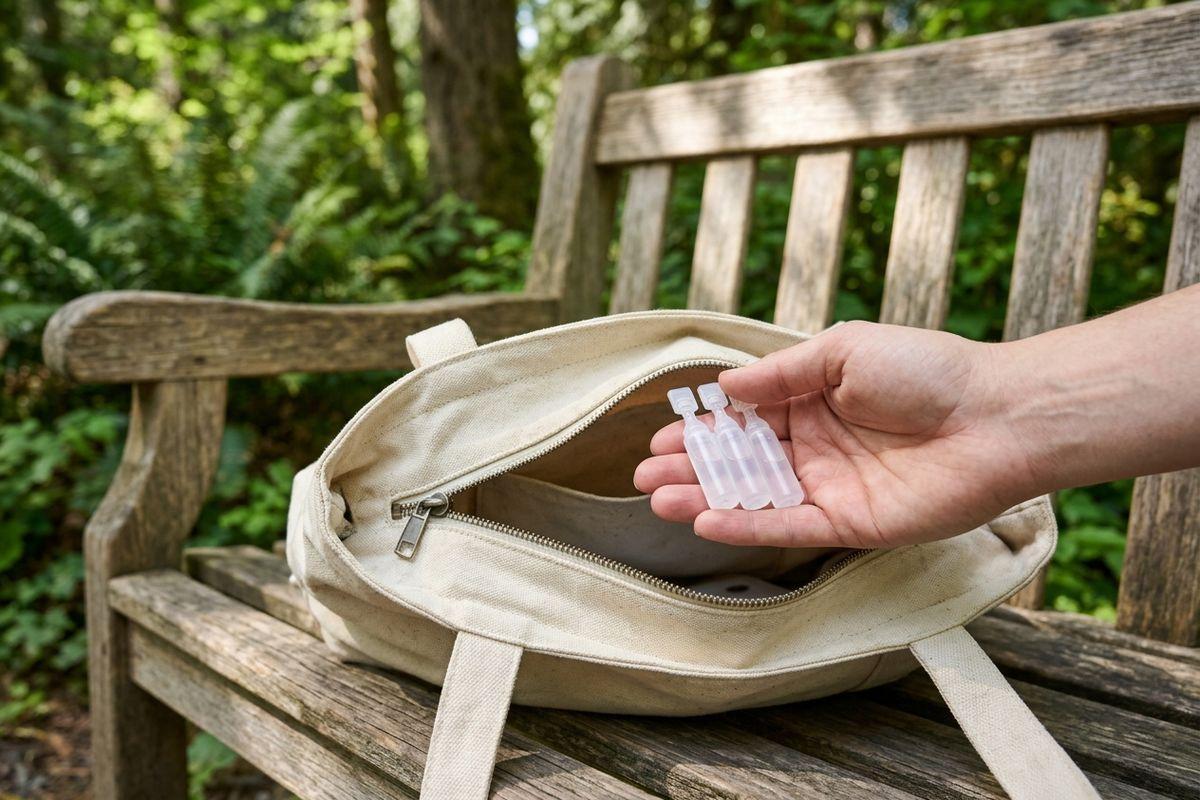
You’ll also need to choose between single-dose vials and multi-dose bottles. Vials tuck easily into a purse or lunch bag, while bottles usually cost less per drop.
Liquid Drops, Gels, & Ointments
Liquid drops suit daytime reading, screen time, and driving. Gels are thicker and last longer, but they may blur your vision for a little while after use, so you may want to save them for quieter moments. Ointments work well at bedtime for overnight dryness.
Drops Matched to Your Type of Dry Eye
With evaporative dry eye, your tears dry too fast, often due to a lack of oils. Oil-based drops can therefore be a good choice. With aqueous-deficient dry eye, your eyes make too few tears, in which case drops labelled “hypotonic” may help.
No single brand works for everyone, so trying different options is okay.
Eye Drops to Avoid & Other Tips for Safe Use
Redness Relief Drops
Drops promising whiter eyes may actually worsen redness and dryness over time. Check labels for tetrahydrozoline or naphazoline, and reach for a plain lubricating drop instead.
Downsides of Frequent Artificial Tear Use
Drops containing preservatives may irritate your eyes with frequent use. Overuse of drops may also wash away helpful parts of your natural tears.
If you’re using drops every 2 to 3 hours, it’s time to look at other options.
Tips for Contact Lens Wearers
Choose preservative-free drops labelled safe for contacts. For any other drops, remove your lenses and wait 10 to 15 minutes before putting them back in.
What Are Prescription Eye Drops for Dry Eyes?
Some prescription drops are designed to increase tear production. Your optometrist may prescribe these after a thorough eye exam, if they find that your tear production is low.
For moderate to severe symptoms, your eye doctor may sometimes suggest a short course of steroid drops.
Artificial Tears vs. Prescription Drops at a Glance
Here’s a quick way to compare the two:
- Artificial tears give quick, temporary relief from symptoms.
- Prescription drops target the cause of dry eye.
- Some people use both, guided by their eye doctor.
When to See an Eye Doctor in Maple Ridge for Dry Eyes
Drops can carry you through a dry spell, but the following symptoms are all signs that you should see your optometrist:
- You need drops more than 4 times a day to stay comfortable.
- You’ve tried several drops, gels, or ointments without relief.
- Your eyes are very red, painful, or sensitive to light
- Your eyes are producing discharge.
What Happens at Your Dry Eye Appointment
Our team will take the time to assess your eyes and determine the cause of your discomfort. From there, we’ll recommend a personalized treatment plan, which may include prescription drops, a more appropriate choice of artificial tears, or in-office dry eye therapies.
Families from Maple Ridge, Pitt Meadows, Surrey, and Chilliwack have relied on Maple Ridge Eye Care since 1950. If dry, gritty eyes are slowing down your day, book online or call our practice to see an eye doctor in Maple Ridge who can help you find relief that fits your life.